Sunday, June 21, 2015

To the Ice Storm in Dallas, 1978-1979

When I woke up that morning in December, the room seemed brighter than usual, the house seemed more quiet.  My bedroom windows looked out onto the backyard, only it didn’t look like the backyard this day. The elm tree in the backyard, the picnic table, the hedgerow along the back fence sparkled, covered in a thick layer of ice. It was quiet and remarkably still. Only the light moved.
Source: DMN staff photo by David Woo
I was thrilled. Days like today are events always and though I didn’t know what that would mean, I knew it I liked the change. And I was the only one awake, so I felt like the good news was mine to share. I would be the one to report it.

Wondering what the front yard looked  like, I went to the dining room and suddenly what seemed like a great day turned frightening. Tree limbs all over the yard, a large one fallen on the little Dodge in the driveway. Neighbors’ trees down, the road clearly not passable, as if a giant had walked through and smashed across the yards, the wake of a tantrum. No, this is not good news.

And the power was out. I didn’t notice it at first, but then I feel the house is colder than normal. The appliances in the kitchen aren’t humming.

Mom and Dad get up and begin to take stock. Mom builds a fire in the fireplace while Dad goes out to survey the damage. He’s from Brooklyn, familiar with snow, but ice like this is decidedly southern. Just cold enough to freeze the rain as it’s coming down, but not really snow. We can’t go out to play in it. We watch neighbors pick their way across the yards.

By nightfall, the power is still out and will be out for three more days. Dad has spent the day clearing limbs from the driveway, though it doesn’t look like it, and it’s we still couldn't drive anywhere.

No television. No radio. No heat or hot water. But we had a gas stove, which we huddled around in the kitchen and we had a gas fireplace, which we huddled around in the living room. They decided we should get out the sleeping bags and all sleep on the living room floor. All seven of us.

We were passed the age when that sounded like fun. None of wants to relive the camping days; we like our privacy, our space. But we do. We spread out the brown flannel-lined Sears sleeping bags and grab our pillows from our bed. We have flashlights. We can read. Mom sleeps by the fireplace to keep it going all night.

The dark is deeper than usual. I am awake and it seems like everyone is asleep; I’m not sure. But I can hear them all breathing. We don’t recognize the comfort, but we feel it. This will be the last time we ever gather like this. To sleep in the same room. To wake up together. To weather the storms together.

Saturday, June 20, 2015

To the Tea and Cake Served at the Meeting of Heisenberg’s and Himmler’s Mothers

It’s a lot to ask of a brewed beverage, of a layered cake. Especially with sugar so sparse, though money is not really a problem for the Himmel’s, she thinks about it.

You will have to be the reason they come together. You will pace their conversation and soothe the anxiety. They are trying to find peace among their sons and you will be brokering that agreement.

You are served in thin china, rimmed in gold.

Himmler tries to explain. “He was never a very bright child, she says. And always sick. The farm work made him worse. But since his rise in the Nazi Party, he’s found real purpose. He’s hard-headed, yes.”

She takes a sip of tea. Places the cup back on the saucer, *tink.*


“Your son has a lot to lose. And we know he could be teaching in the United States. But he is here. He wants something if he stays.”

She places a piece of cake in front of her guest.

Heisenberg says thank you. She is smaller but more imposing. She knows that when the war ends, her son, if he is still alive, if the Nazi’s have not killed him, will continue his life’s work. Her son? This is all he will ever be.

“What your son needs to understand,” Heisenberg says, “is that we need Werner more than Werner needs us. Yes, he is here. His family is here. His research is here. He wants to stay. Americans find him a novelty and he wants to work without all their questions. He can move at any time. He has offers. And if he does, think of what goes with him.”

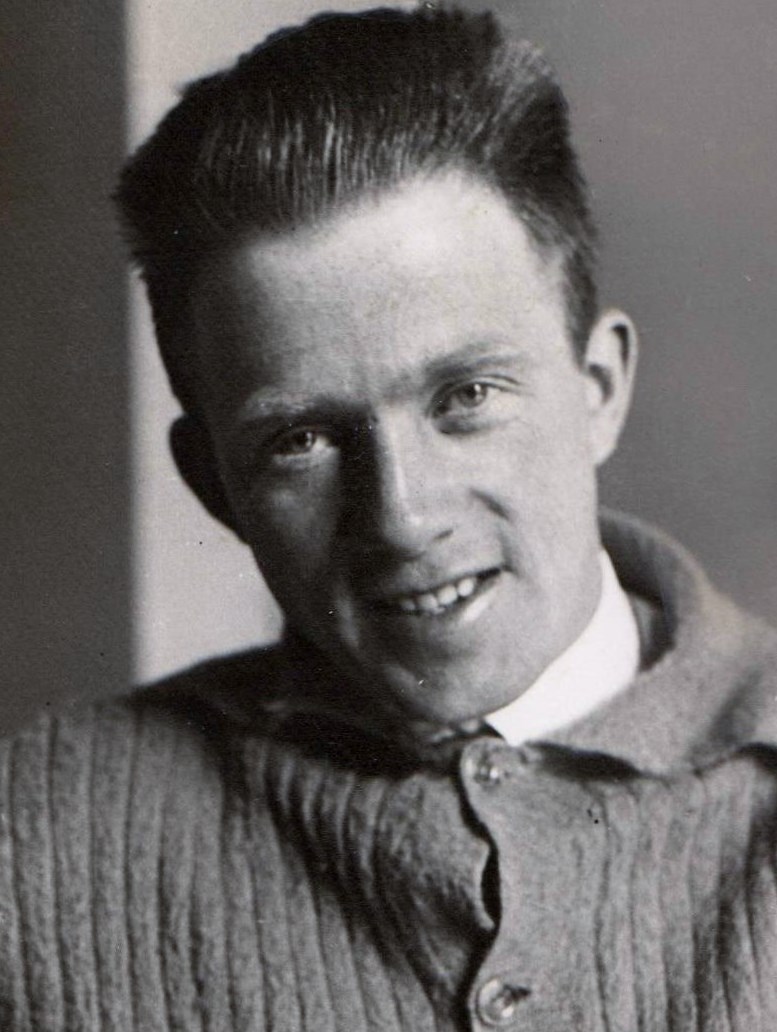
By Friedrich Hund (Friedrich Hund)
[CC BY 3.0 (http://creativecommons.org/licenses/by/3.0)],
via Wikimedia Commons
Fundamental between a mother and a son is how little they actually know about each other, especially the older they get. The mother sees the boy in the yard, digging into the dirt with a stick. Or the boy at the table with a book. Even though he is a father himself now. Even though he has won awards and become famous. Mothers see the whole life at once, not just the men they are this day.

And the sons don’t know their mothers are having tea.They will never know. They visit their mothers the following Sunday.  They eat cake and pour the tea. Just a simple afternoon in a complicated life. This one place, my mother’s table. So bright. The cake just right. Like always.

Friday, June 19, 2015

To the Tiny Crowd at Lockview Bar on Friday at 3 In the Afternoon

Six people at the bar. All men. Four wearing white t-shirts. They drink leisurely; in the hour I am there, they have one, maybe two beers.


The bartender dries glasses with white towels. She rubs and rubs and I think, surely it’s dry by now. She calls one by his name and makes a joke. Like they do this every Friday.

Who has time on Friday at 3 to drink a beer? Aren’t there kids to pick up? Final reports to make? Isn’t there something broken that needs to be fixed? Right now? This is the hour we wrap up the week, tuck papers into whatever file they belong and clear our workspaces for next week.

Granted, I am here, too. And I study the menu written on the wall-length mirror on the bar and consider a beer myself. I’m not usually a beer drinker, but what with all the local brews on the menu and skinny-jeaned hispter waiter here, a beer seems like the proper choice. Maybe just one to nurse while we plan a presentation. There’s daylight and driving still.

The men at the bar are living a different life, with different time and different rules. Different music. Different work. Different kids. They put on coats and walk out and back into whatever a Friday is.